The History and Impact of Canadian Lyme Disease Fundraising Events
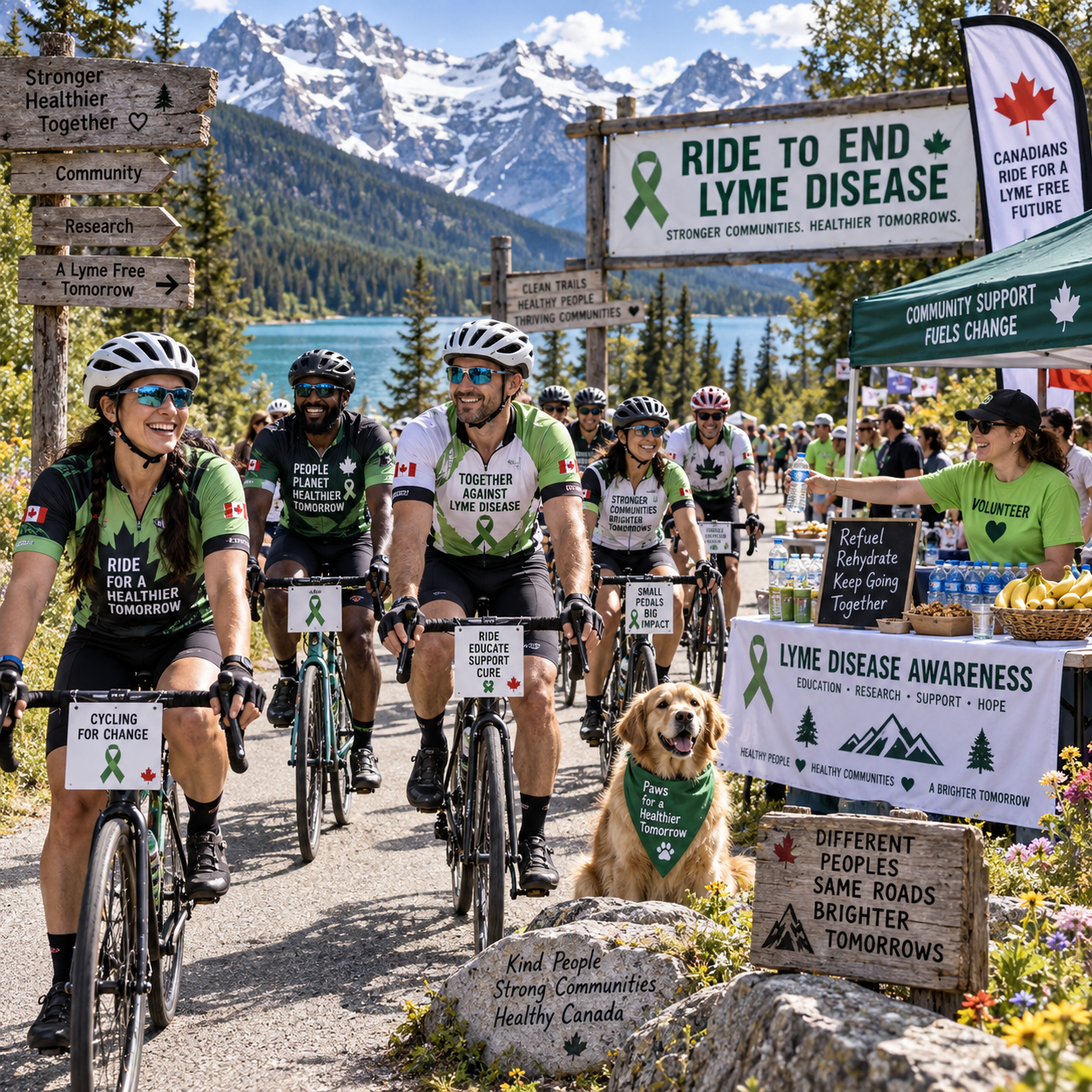
Canadian Lyme disease fundraising events turn concern into practical community action. Through cycling initiatives, donation drives, educational activities, and volunteer-led campaigns, participants help bring attention to Lyme disease while supporting patient advocacy, public education, and community health work.
These events do not replace medical care or public-health services. Their value lies in creating visible, compassionate networks where riders, families, donors, volunteers, and organizations can learn, speak openly, and contribute to longer-term progress.
Why Lyme Disease Fundraising Events Matter in Canada
Lyme disease fundraising events matter because they help finance awareness, education, patient support, advocacy, and research-related initiatives. They also give communities a practical way to respond to a health issue that can be difficult for patients and families to navigate.
Lyme disease is associated with the bite of infected blacklegged ticks, and risk varies by region, season, habitat, and exposure. Responsible fundraising communication should explain prevention and encourage people to consult qualified health professionals about symptoms or possible exposure. It should never suggest that every tick bite causes Lyme disease.
Canadian Lyme disease advocacy often grows from lived experience. Patients and caregivers may face uncertainty, disrupted work or school, financial pressure, and the emotional strain of feeling misunderstood. Fundraising events can support organizations that provide reliable information, patient resources, peer connection, or advocacy for improved awareness and services.
They also create a public platform. A cycling team wearing coordinated shirts, displaying educational messages, or sharing a fundraising page can start conversations far beyond the event route. Each conversation has the potential to direct someone toward trustworthy information, such as guidance from the Public Health Agency of Canada.
The Evolution of Canadian Lyme Disease Fundraising
Canadian Lyme disease fundraising has generally developed from local awareness efforts into more organized, participatory charitable campaigns. The exact history differs by province, organization, and event, so claims about founders, dates, totals, or milestones should be verified before publication.
Early activity often begins with patients, families, clinicians, advocates, or community groups sharing information in local settings. A small educational meeting may lead to a donation appeal; a donation appeal may become a community walk, ride, speaker event, or online campaign. Over time, organizers can add registration systems, team pages, sponsors, volunteer roles, and educational materials.
The rise of digital fundraising has widened participation. A rider no longer needs to collect donations only from neighbours or colleagues. A personal campaign page can reach relatives in another province, former classmates, workplace networks, and supporters who cannot attend in person.
This development has also raised the standard for transparency. Strong campaigns explain who benefits, how donations are handled, and which activities may be supported. When an event does not publish a detailed allocation, organizers should use careful language such as help support rather than promising a specific research result or patient outcome.
Why Cycling Events Are Effective Fundraisers
Cycling events are effective fundraisers because they combine visible participation, team energy, personal storytelling, and flexible ways to contribute. Riders make the cause visible in public, while donors and volunteers can take part without completing the route themselves.
A bike ride also creates a clear narrative: people prepare, gather, travel a shared route, and finish together. That structure gives fundraising campaigns a natural rhythm. Participants can announce a goal, share training updates, introduce the cause, and report back after the event.
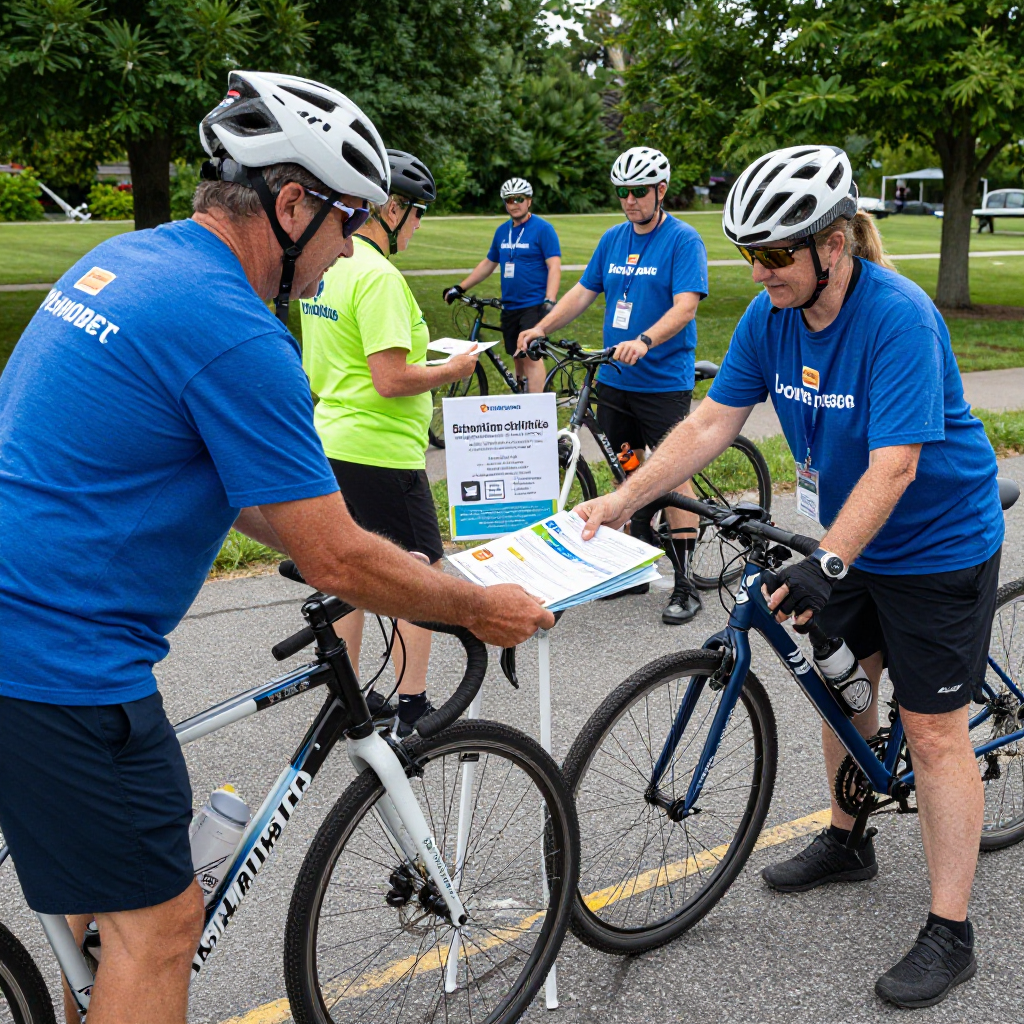
Team fundraising is especially useful. A workplace, family, cycling club, or group of friends can divide tasks and encourage one another. One person may contact local businesses, another may manage social media, and someone else may coordinate snacks or registration. The campaign becomes a community project rather than a request carried by one individual.
- Visibility: Jerseys, signs, route materials, and rest stops can prompt public conversations about Lyme disease awareness.
- Participation: Events may offer different distances, virtual options, volunteer roles, or family-friendly activities.
- Storytelling: Riders can explain why they participate while respecting patient privacy and avoiding medical claims.
- Connection: Shared effort helps supporters meet advocates, families, and community health organizations.
The trade-off is that cycling events require planning, route safety, weather contingencies, accessibility considerations, and volunteer coordination. Physical endurance should never determine whether someone can support the cause.
Where Fundraising Support Can Make a Difference
Fundraising support can help strengthen public education, awareness materials, patient resources, advocacy, community programming, and research-related initiatives. The precise use of funds depends on the named charity or campaign and should be confirmed through its official information.
Public education may include plain-language webpages, printed materials, community presentations, and information about tick awareness and prevention. These resources are most useful when they distinguish established guidance from personal stories or unverified claims.
Patient support can include peer networks, navigation resources, listening services, or referrals to appropriate health and social supports. Fundraising may also help advocates attend community meetings, produce accessible information, or represent patient perspectives in public discussions.
Research support is another potential area, although donors should look for details about the recipient, grant process, and research purpose. A fundraising campaign should not imply that donations guarantee a cure, confirm a diagnosis, or produce immediate changes in clinical care.
- Educational materials for schools, workplaces, and outdoor communities
- Patient and caregiver information resources
- Community awareness events and volunteer training
- Advocacy and public engagement activities
- Research-related programs, where specifically identified by the organization
The Impact on Patients, Families, and Communities
The community impact of Lyme disease fundraising includes reducing isolation, amplifying patient experiences, and connecting people with reliable support. Even when an event cannot solve a complex health-system problem, it can make patients and families feel seen and heard.
For someone living with ongoing uncertainty, seeing a group ride in support of Lyme disease can provide recognition. A thoughtful campaign can shift the conversation from suspicion or blame toward listening, evidence, and compassion.
Families may also find practical value in meeting others who understand the administrative and emotional challenges surrounding illness. Volunteers gain a meaningful role, while donors see how a relatively small contribution can join a wider collective effort.
The strongest events use patient stories ethically. Consent matters. Organizers should avoid pressuring people to disclose diagnoses, publishing identifiable health details, or presenting one person’s experience as universal. Stories should inform and humanize the issue without replacing medical evidence.
Community health organizations can extend the impact by reviewing educational content, offering appropriate referrals, and coordinating with local public-health guidance. That collaboration helps ensure that enthusiasm supports trust rather than confusion.
How to Participate in a Canadian Lyme Disease Cycling Event
To participate, choose a credible event, register or volunteer, set a realistic fundraising goal, share accurate information, and support safety and inclusion. You can contribute as a rider, donor, organizer, volunteer, sponsor, or remote participant.
For riders and teams
- Review the organizer: Read the event’s purpose, beneficiary information, privacy terms, refund policy, and safety guidance.
- Choose a participation format: Join a team, create one, ride individually, or select a virtual option if available.
- Set a specific goal: A clear target, such as raising $500 over six weeks, gives supporters an easy action point.
- Explain the cause: Share why Lyme disease awareness matters to you, using verified information and respecting personal boundaries.
- Invite different kinds of support: Ask for donations, workplace matching, volunteer help, route support, or social sharing.
Do not promise medical outcomes in a fundraising message. Say that donations may support education, patient advocacy, community programming, or research-related work, depending on the organization’s stated priorities.
For donors and volunteers
Donors can ask whether a receipt is available, how the campaign is administered, and whether the beneficiary publishes financial or program information. Volunteers can help with registration, communications, route stations, accessibility, hydration, photography, or post-event follow-up.
People who cannot cycle still belong in the campaign. A donation, educational post, business sponsorship, accessible volunteer shift, or message of encouragement can be equally meaningful.
Building the Future of Lyme Disease Fundraising
The future of Canadian Lyme disease fundraising depends on sustained participation, inclusive design, transparent communication, and partnerships that continue beyond one event. A single ride can attract attention; recurring activity can build durable awareness.
Organizers can improve continuity by offering annual events, monthly giving, workplace teams, educational webinars, and year-round volunteer opportunities. They can also measure practical indicators such as participants reached, educational materials distributed, volunteer hours, recurring donors, and funds directed to documented programs.
Inclusive design should cover more than route distance. Consider adaptive cycling, walking or virtual participation, quiet volunteer roles, accessible venues, transportation needs, and clear instructions for people unfamiliar with fundraising platforms.
Responsible health communication should remain central. Use current public-health sources, identify uncertainty, avoid sensational language, and distinguish awareness from diagnosis or treatment. Partnerships with community health organizations, patient advocates, researchers, and local businesses can add reach while preserving accuracy.
Canadian Lyme disease fundraising events are most effective when they connect action with accountability. Learn from reliable sources, donate through verified channels, fundraise with care, volunteer where your skills fit, and help create a community in which patients are heard and the public has better information.
Frequently Asked Questions
What is a Canadian Lyme disease fundraising event?
It is a charitable activity in Canada that raises donations and awareness for Lyme disease education, patient support, advocacy, community programming, or research-related initiatives.
How do cycling events support Lyme disease awareness and advocacy?
They make the cause visible, give participants a platform for accurate storytelling, and connect riders, donors, volunteers, and health advocates through a shared activity.
Who can participate in a Lyme disease fundraising cycling event?
Riders, families, donors, volunteers, sponsors, cycling clubs, workplaces, and remote supporters can participate. Many campaigns also provide options for people who cannot cycle.
How can I raise donations for a cycling fundraiser?
Set a clear goal, explain the event’s purpose, contact personal and workplace networks, ask about matching gifts, post accurate updates, and offer several ways to support the campaign.
What are other ways to support Lyme disease organizations?
You can donate, volunteer, share reliable public-health information, attend educational events, support patient advocacy, sponsor a team, or make a recurring contribution through a verified organization.