Understanding Lyme Disease in Canada: Symptoms, Diagnosis, and Treatment

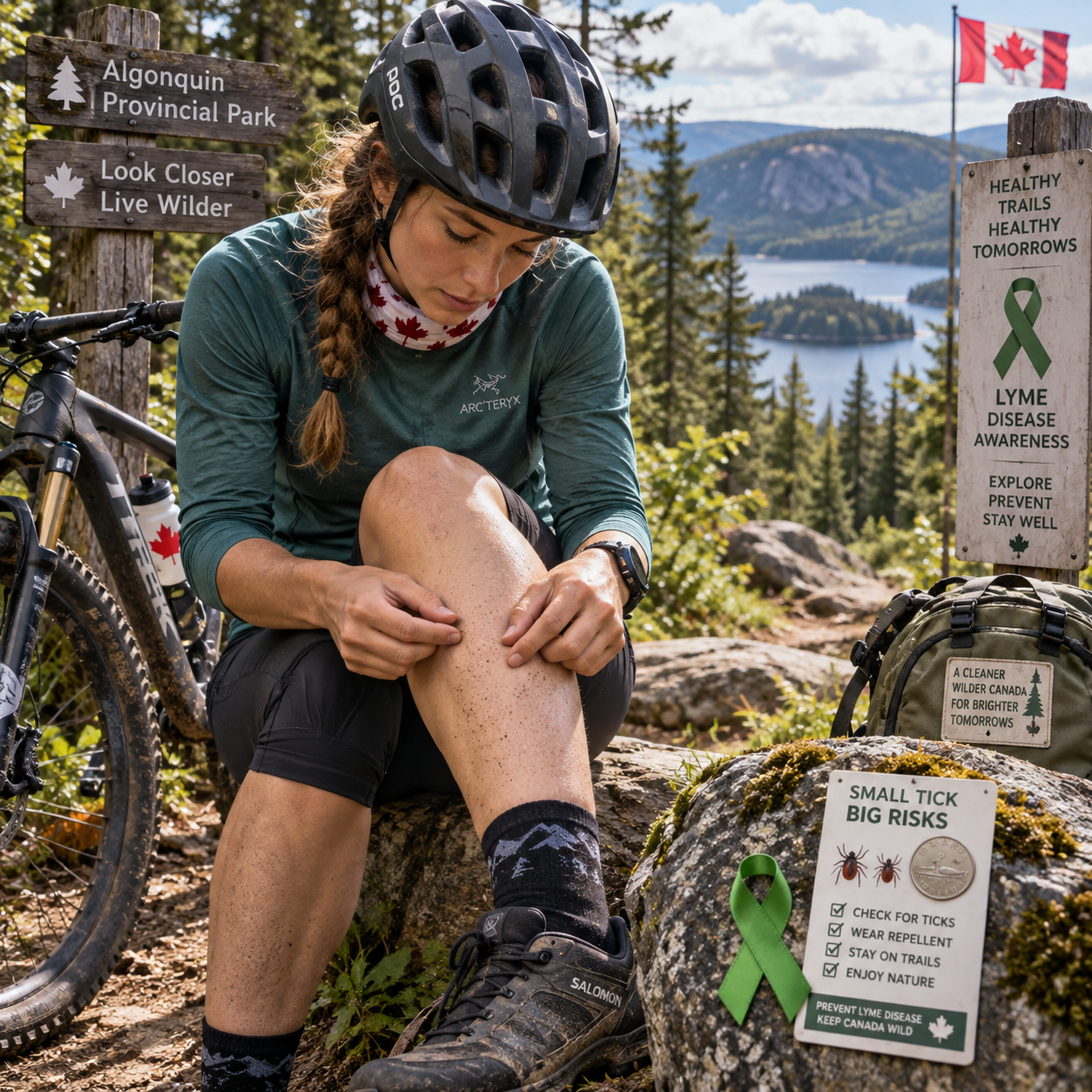
Lyme disease is a tick-borne infection that can affect people after exposure to an infected blacklegged tick. Knowing the symptoms, recording a possible tick bite, and contacting a Canadian healthcare provider promptly can support earlier assessment and appropriate care.
This guide offers general health information, not a personal diagnosis or treatment plan. Symptoms can overlap with many other conditions, and decisions about Lyme disease testing or antibiotic treatment should be made with a qualified healthcare professional.
What Is Lyme Disease?
Lyme disease is an infection caused by bacteria in the genus Borrelia, including Borrelia burgdorferi, and is usually transmitted through the bite of an infected blacklegged tick. Awareness matters because people may not notice the tick or remember being bitten.
Blacklegged ticks, sometimes called deer ticks, live in areas with suitable woodland, brush, and tall grass habitat. A tick becomes infected after feeding on an infected animal and may transmit the bacteria during a later feeding. Risk depends on factors such as location, season, outdoor activity, and whether a tick remains attached.
A tick bite does not automatically mean Lyme disease. Many ticks are not infected, and other insects or skin conditions can cause similar marks. Even so, outdoor exposure deserves attention because early Lyme disease can be easier to recognize and manage than illness that goes unassessed.
Canadian public health information, including guidance from the Government of Canada, can help people understand local prevention advice and when to seek care. Regional risk can change, so current local information is more useful than assumptions based on a single map or past experience.
Lyme Disease Symptoms to Know
Early Lyme disease symptoms may include an expanding erythema migrans rash, fever, headache, fatigue, muscle aches, joint pain, and swollen lymph nodes. Symptoms vary, and some people do not develop the classic rash or may not notice it.
Early signs and the erythema migrans rash
The erythema migrans rash often appears several days to a few weeks after infection. It usually expands gradually from the bite area and may look like a red or pink patch; it does not always form a perfect bull’s-eye. The rash may feel warm but is often not intensely itchy or painful.
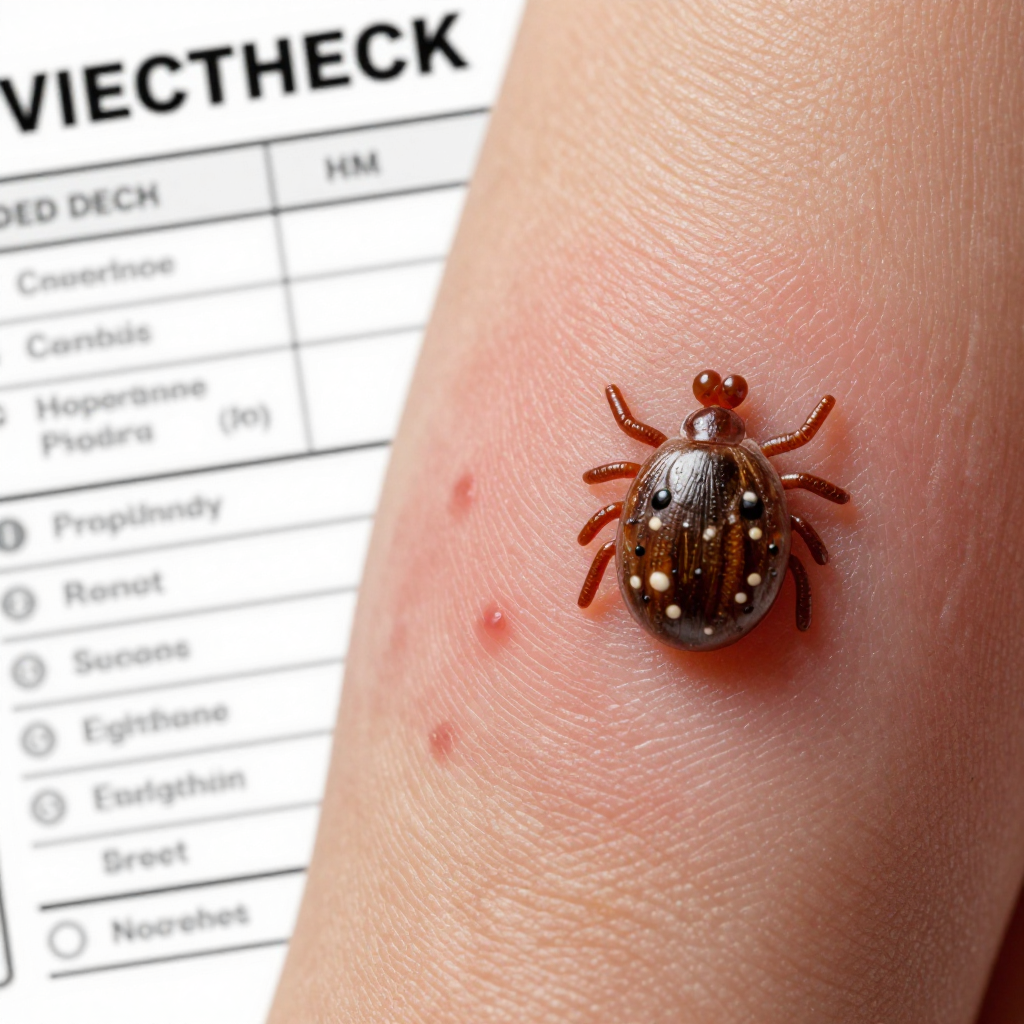
A small red mark immediately after a tick bite can be a local skin reaction and is not necessarily erythema migrans. Take a photograph with a household object for scale and record whether the area changes over time. Do not wait for a rash if you feel unwell or have a concerning exposure.
Later symptoms
Without appropriate assessment and treatment, Lyme disease can involve other body systems. Possible later symptoms include migrating joint swelling or pain, facial weakness, nerve-related sensations, palpitations, dizziness, or marked fatigue. These symptoms have many possible causes, so they require medical evaluation rather than self-diagnosis.
Symptoms can differ by person, infection stage, and other health factors. The absence of a known tick bite does not rule out Lyme disease, while the presence of a tick bite does not confirm it.
What to Do After a Tick Bite
After a tick bite, remove the tick promptly with fine-tipped tweezers, clean the area, document the exposure, and contact a healthcare provider if you have concerns. Prompt removal reduces the opportunity for transmission, although it does not eliminate risk completely.
- Use fine-tipped tweezers to grasp the tick as close to the skin as possible.
- Pull upward steadily without twisting, crushing, or squeezing the body.
- Clean the bite area and your hands with soap and water or an appropriate antiseptic.
- Record the date, location, likely outdoor setting, and how long the tick may have been attached.
- Take a clear photograph or keep the tick in a sealed container if a healthcare provider advises doing so. Do not rely on home identification as a diagnosis.
- Monitor your health and contact a Canadian healthcare provider if a rash develops or you experience fever, unusual fatigue, headache, muscle aches, joint symptoms, facial weakness, or other concerns.
Check your clothing, skin, scalp, children, and pets after outdoor activities. A shower and clothing change can help remove unattached ticks. Seek urgent medical attention for severe illness, trouble breathing, fainting, chest symptoms, or sudden neurological changes.
How Is Lyme Disease Diagnosed in Canada?
Lyme disease diagnosis in Canada combines medical history, possible tick exposure, physical examination, symptom patterns, and laboratory testing when appropriate. There is no single result that should be interpreted separately from the clinical picture.
A healthcare provider may ask where and when you were outdoors, whether a tick was attached, how long it may have fed, whether a rash changed size, and when symptoms began. They may examine the skin, joints, nervous system, and heart-related signs. An expanding erythema migrans rash can be an important clinical finding, and testing may not be necessary in every early presentation.
When laboratory testing is indicated, clinicians commonly use a two-step antibody-based approach. Testing can be less useful very early because the immune response may not yet be detectable. A negative result therefore does not always settle the question, especially when symptoms and exposure history point in another direction. Conversely, a positive antibody result requires professional interpretation because antibodies can persist after a past infection.
Ask the clinician how the test fits your symptoms, timing, and exposure. Be cautious with unvalidated tests, broad commercial panels, or online claims that promise certainty without a physical assessment. Canadian healthcare providers can help weigh the benefits and limits of each diagnostic step.
Lyme Disease Treatment and Recovery
Lyme disease is treated with prescription antibiotics selected by a healthcare provider according to the illness pattern, patient factors, and current clinical guidance. The medicine, dose, and duration vary, so people should not use leftover antibiotics or share prescriptions.
When Lyme disease is suspected or confirmed, follow the prescribed course exactly and ask about side effects, interactions, sun sensitivity, pregnancy, allergies, or other relevant concerns. Improvement may occur gradually, and some symptoms can take time to settle. Keep follow-up appointments if symptoms persist, change, or affect daily activities.
Contact a healthcare provider if new neurological symptoms, heart-related symptoms, worsening joint swelling, or significant medication reactions occur. Emergency care may be needed for fainting, severe chest symptoms, difficulty breathing, or sudden weakness.
Recovery is individual. Ongoing symptoms do not automatically prove active infection, and repeated or prolonged antibiotics are not appropriate for everyone. A careful reassessment can look for another diagnosis, complications, medication effects, or a separate health issue. This is one reason supervised follow-up is safer than pursuing unverified treatments.
Prevention, Awareness, and Community Action
Preventing Lyme disease starts with reducing tick exposure and checking for ticks, while community action expands access to reliable education and support. Personal precautions and public awareness work together.
- Wear long trousers, closed footwear, and light-coloured clothing when walking through brush or tall grass.
- Use an approved insect repellent according to its label, and follow product directions for children.
- Stay on maintained paths where practical and avoid brushing against dense vegetation.
- Perform a full-body tick check after outdoor activities, including behind the knees, around the waist, in the armpits, and on the scalp.
- Check outdoor gear, clothing, and pets before returning indoors.
Education also helps families, schools, outdoor clubs, and healthcare teams recognize Lyme disease symptoms without creating unnecessary fear. Fundraising can support awareness materials, community outreach, patient resources, and advocacy for informed care. A Canadian Lyme disease cycling event offers a practical way to turn that support into visible action: participants can raise donations, share prevention information, and invite others to learn the signs before heading outdoors.
For riders, preparation should include tick checks after training routes, especially on wooded or grassy trails. The goal of a fundraising ride is broader than completing a distance. It is a chance to connect physical activity with compassionate education and support for people navigating uncertainty around Lyme disease.
Frequently Asked Questions About Lyme Disease
What are the first symptoms of Lyme disease?
Early Lyme disease symptoms can include an expanding erythema migrans rash, fever, headache, fatigue, muscle aches, joint pain, and swollen lymph nodes. Not everyone develops every symptom or notices a rash.
Can Lyme disease occur after a tick bite is not noticed?
Yes. Blacklegged ticks can be very small, and a bite may go unnoticed. Share any outdoor exposure, changing rash, or compatible symptoms with a healthcare provider.
How is Lyme disease tested in Canada?
Canadian clinicians assess exposure history and symptoms first, then use laboratory testing when appropriate. Antibody tests can be harder to interpret early in illness and should be reviewed by a healthcare professional.
Is Lyme disease treatable?
Lyme disease is treated with prescription antibiotic treatment. The correct medication and duration depend on the clinical presentation and individual circumstances.
When should someone contact a healthcare provider after a tick bite?
Contact a healthcare provider if you develop an expanding rash, fever, unusual fatigue, headache, joint symptoms, facial weakness, palpitations, or other concerning changes after a tick bite or possible tick exposure. Seek urgent care for severe or sudden symptoms.
Learn the signs, protect yourself outdoors, document possible tick exposure, and seek timely medical advice when concerned. Supporting Lyme disease awareness and fundraising initiatives, including Canadian cycling events, helps more people find dependable information and compassionate community support.