How to Organize a Successful Community Cycling Fundraiser for Lyme Disease
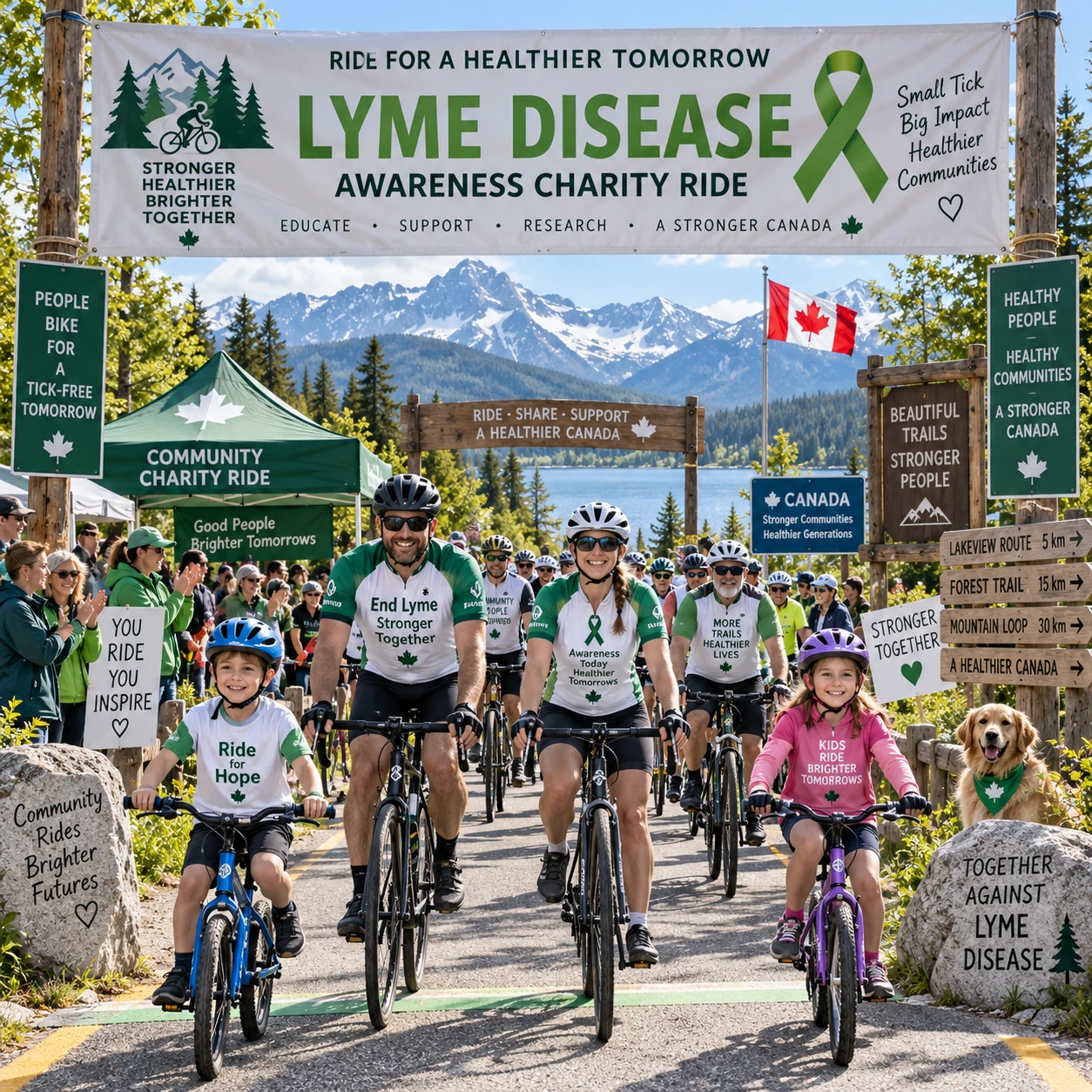
A community cycling fundraiser can bring neighbours together to raise money for Canadian Lyme disease awareness, education, or support. A clear purpose, a manageable route, and thoughtful safety planning matter more than a large field of riders or an ambitious distance.
Use this step-by-step plan to turn the idea into an event people feel confident joining, supporting, and sharing.
Set a clear purpose, audience, and fundraising goal
Start by naming the Lyme disease cause your ride will support and setting a realistic fundraising goal. A specific purpose helps riders explain why they are taking part and gives donors a clear reason to contribute.
Decide whether funds will support a Canadian Lyme disease charity, public awareness, education, or a particular support initiative. Before you promote the event, confirm the beneficiary, how donations will be directed, and what you can accurately say about the impact. Avoid making medical claims or promising outcomes you cannot verify.
Next, identify your likely participants. A family-friendly community ride may attract casual cyclists, while a longer route may suit experienced riders. Choose a format that matches the people you hope to reach, rather than setting a target based on the biggest event you can imagine.
- Set a fundraising target using realistic estimates of rider participation, individual pledges, sponsorships, and event costs.
- List expected expenses, such as permits, insurance, first aid, signage, and water, before deciding how much you hope to net.
- Choose a participation target and a fallback plan if registration or sponsorship is lower than expected.
Keep the message simple: who benefits, why the ride matters, and how donations will be used. Transparent planning builds trust with riders and donors.
Build your planning team and timeline
Form a small planning team early and give each person a defined responsibility. A named lead for route, safety, fundraising, communications, and event-day operations reduces missed tasks and last-minute confusion.
For a first-time community cycling fundraiser, begin planning several months ahead; the exact lead time depends on municipal approvals, route complexity, and the size of the event. A simple ride on a permitted trail may need less preparation than a route using public roads or a large gathering space.
Work backward from event day. Confirm the beneficiary and event format first, then investigate permits and insurance, secure a route, recruit partners, open registration, and promote the ride. Set a check-in date for each milestone, and keep a shared task list with an owner and deadline.
- Event lead: tracks decisions, budget, and deadlines.
- Route and safety lead: checks the route, support plan, and local requirements.
- Fundraising and communications lead: manages the donation page, sponsor outreach, and updates.
- Volunteer coordinator: recruits and briefs event-day helpers.
Ask the team to review unresolved risks at regular meetings. A short, consistent check-in is often more useful than a detailed plan that nobody updates.
Choose a route, date, and event format
Choose a route and date that suit your participants, local conditions, and available support. A shorter, welcoming ride is often easier to manage than a challenging course, especially for a community event with first-time cyclists.
Consider a loop or out-and-back route with clear start and finish points, safe places to regroup, and access to washrooms and water. Check road surfaces, crossings, traffic exposure, construction, and available parking. Test the route in person if possible, and have someone review it who is familiar with local cycling conditions.
Pick a date that allows time to get approvals and does not conflict with major community events. Canadian weather varies by region and season, so identify a rain plan, cancellation threshold, and a way to contact registered participants if conditions change.
Offer options where practical: a short ride, a longer route, or a stationary cycling activity at the start or finish. A flexible format can include more people, though multiple routes require extra signage, volunteers, and coordination. Make the distance and expected pace clear before registration.
Plan permits, safety, and accessibility
Contact the relevant municipality and land or trail managers early to confirm permits, road-use rules, insurance, and event requirements. Requirements vary across Canada and between jurisdictions, so do not assume a charity ride is exempt.
Ask whether you need permission for road closures, signs, use of a park or trail, amplified sound, or gathering at a public site. Confirm who is responsible for traffic control and whether the municipality requires specific insurance coverage or an approved route. The Government of Canada’s road transportation resources can help with general context, but local authorities determine event permissions.
Build rider safety into the route and event plan. Share rules before the ride, provide a safety briefing, and identify how riders can get help. Depending on the route and event size, plan for first aid, a sweep rider or support vehicle, emergency contacts, and a way to communicate with route volunteers. Do not promise traffic control or medical support you have not arranged.
Accessibility starts with honest information. Describe the terrain, distance, surfaces, rest points, and available facilities so people can decide whether the event works for them. Consider a shorter route, accessible gathering area, and non-riding volunteer roles. Avoid calling a route accessible unless you have checked the details with care.
Recruit riders, volunteers, and sponsors
Recruit riders through the community groups that already connect people: neighbourhood associations, cycling clubs, workplaces, schools, health organizations, and local service groups. Give each group a concise event description, registration link, date, route options, and charitable purpose.
Volunteers make event-day logistics manageable. Recruit people for check-in, route directions, water, set-up, clean-up, and participant support. Match roles to the event’s needs, then provide a short briefing that covers arrival time, responsibilities, emergency contacts, and who makes decisions if conditions change.
Approach local businesses with a clear, specific request. A bike shop might help with a basic pre-ride check, a café could provide refreshments, and a local employer may sponsor a route station. Explain what the business is being asked to contribute and what recognition you can offer, such as a logo on event materials or a thank-you post.
Make the ask easy to answer. Offer a few practical sponsorship options rather than an open-ended appeal. Keep a record of commitments and follow through on recognition. In-kind support can lower costs, but it still needs to be coordinated and acknowledged.
Promote the event and make fundraising easy
Promote the ride with complete event details and a simple donation process. Riders are more likely to invite others when they can explain the cause, route, registration steps, and fundraising goal in a few sentences.
Create a donation page that names the beneficiary, explains how funds will be used, and makes it clear whether a contribution supports the event or the cause. Check how the platform handles receipts, fees, privacy, and refunds. Do not imply a donation is tax-deductible unless the organization and platform can confirm that it qualifies.
Give riders a short appeal they can personalize. For example: “I’m riding to support Canadian Lyme disease awareness. If you’re able, please consider donating or sharing my page.” A personal reason can make the appeal more compelling, but nobody should feel pressured to disclose private health information.
- Open registration early and include route length, terrain, timing, and what participants should expect.
- Share updates through community newsletters, social media, partner organizations, and local businesses.
- Encourage riders to invite friends and post progress, while keeping donation requests respectful.
- Send a reminder before the event with arrival details, weather updates, and contact information.
Check the donation page on a phone before launch. A confusing form or unclear beneficiary can interrupt a donor’s decision at the moment they are ready to give.
Run event day and follow up
Run event day from a written schedule that covers set-up, check-in, briefing, start times, route support, finish, and clean-up. A clear point person and reliable way to reach volunteers help the team respond calmly if plans change.
At check-in, confirm registrations, direct riders to facilities, and make the safety briefing easy to hear. Keep signage consistent with the route information shared in advance. Volunteers should know where to stand, how to contact the event lead, and what to do if a participant needs help or leaves the route.
After the ride, thank riders, volunteers, sponsors, and donors promptly. Share the final amount raised only after totals are verified, and explain where the money is going. If expenses were deducted before funds reached the beneficiary, state that clearly. A brief follow-up with a few event photos, participant feedback, and a note on lessons learned can help you improve the next community cycling fundraiser.
Frequently asked questions
How far in advance should we plan a community cycling fundraiser?
Begin several months ahead when possible. You may need more time if the ride uses public roads, requires municipal permits, or involves a large number of participants. Check local requirements before announcing a date.
Do we need a permit for a charity bike ride in Canada?
Possibly. Requirements depend on the municipality, route, land manager, and event details. Contact the relevant local authorities to ask about permits, road use, insurance, signage, and park or trail access.
How can riders collect donations?
Use a donation page linked to the named beneficiary or a clearly explained fundraising platform. Riders can share their personal page by email or social media. Confirm how fees, receipts, privacy, and charitable status are handled before promoting it.
What safety measures should a community cycling event include?
Plan a route review, participant briefing, clear signage, volunteer communication, emergency contacts, and an appropriate first-aid and rider-support plan. The right measures depend on the route and event size, so confirm local requirements and describe support accurately to participants.