The Science Behind Lyme Disease: Latest Research and Breakthroughs
Lyme disease is a tick-borne infection that can affect the skin, joints, nervous system, and heart. Scientists have made progress in understanding how the infection develops and how to improve diagnosis, but some questions remain, especially about symptoms that continue after treatment. Knowing what is established, what researchers are studying, and how to reduce tick exposure helps people make informed choices.
What Lyme Disease Is and How It Spreads
Lyme disease is an infection caused by bacteria in the Borrelia burgdorferi group and spread to people through the bite of an infected blacklegged tick. The chance of exposure depends on where ticks are established, how people use outdoor spaces, and whether an attached tick is found and removed promptly.
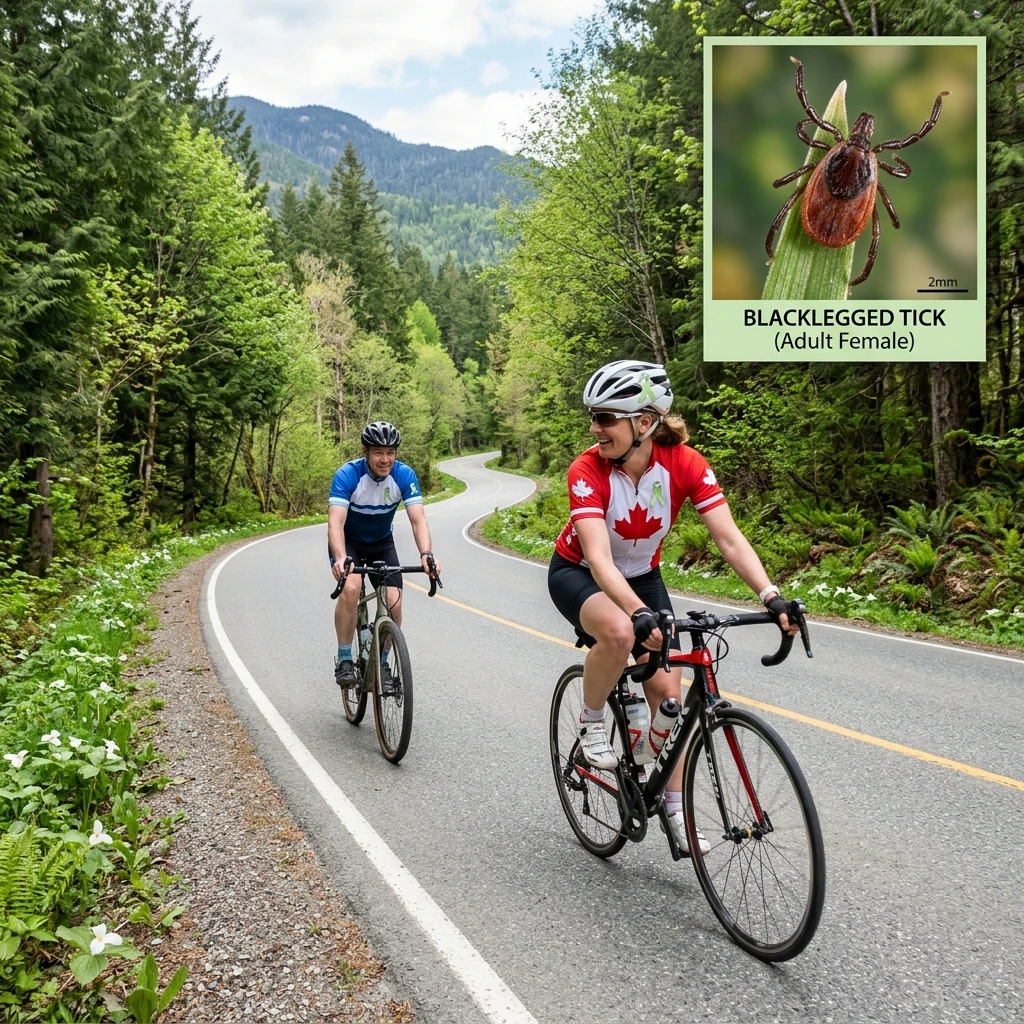
In Canada, the main vectors are blacklegged ticks, also called deer ticks. They can be found in parts of the country where local conditions support their populations; their range and activity vary by region and season. Ticks do not jump or fly. They wait on vegetation and attach when a person or animal brushes past. A tick bite may be painless, so someone can be bitten without noticing.
Transmission generally requires a tick to remain attached for a period of time, and the risk tends to rise with longer attachment. The exact likelihood depends on factors including the tick’s infection status and how long it has fed. Finding a tick does not automatically mean infection, and not every blacklegged tick carries the bacteria. Remove an attached tick carefully with fine-tipped tweezers, grasping close to the skin and pulling steadily, then clean the area and hands.
Outdoor activities such as hiking, gardening, camping, or cycling on trails can bring people into tick habitat. That is not a reason to avoid nature. It is a reason to make prevention part of the outing, particularly in areas where public health authorities report established ticks.
Symptoms, Diagnosis, and Why Early Detection Matters
Lyme disease symptoms can begin with an expanding rash, fever, headache, fatigue, muscle aches, or joint pain, but presentations vary and a rash is not always noticed. Early diagnosis matters because prompt assessment and appropriate treatment can reduce the risk of later complications.
The classic rash, erythema migrans, often expands over several days and may look like a bull’s-eye, but it can also appear as a solid red patch. It is not always itchy or painful. Weeks or months later, untreated infection may involve additional symptoms, including facial weakness, severe headaches, heart rhythm problems, or joint swelling. These signs have other possible causes, so clinical evaluation matters.
Lyme disease testing commonly uses a two-step blood test approach that looks for the body’s antibody response. Early in infection, antibodies may not yet be detectable, which means a negative result cannot always rule out Lyme disease when symptoms and exposure history are strongly suggestive. Antibodies can also remain detectable after an infection has been treated, so a positive result does not by itself show that bacteria are still present.
Diagnosis therefore combines symptoms, timing, possible tick exposure, physical findings, and test results. Share where and when you may have encountered ticks and when symptoms began. A photo of a rash can also help if it changes before an appointment. For Canadian guidance on testing and prevention, see the Government of Canada’s Lyme disease information.
What Current Research Is Exploring
Current Lyme disease research is investigating how to diagnose infection earlier, how Borrelia burgdorferi interacts with the immune system, and how to improve prevention and treatment. These are active research areas, not proof that a new test or therapy is already ready for routine use.
One challenge is that existing antibody tests measure immune response rather than directly detecting the bacteria. Researchers are studying ways to identify infection earlier and to distinguish active infection from past exposure more reliably. Candidate approaches include improved detection of bacterial material and more refined interpretation of immune markers. Each must be checked for accuracy across different stages of illness and in people with other conditions before it can guide care.
Scientists are also examining how the bacteria spread through the body and why symptoms differ from person to person. Research into host immune responses, bacterial biology, and the effects of inflammation may clarify which mechanisms explain particular symptoms. That work could eventually help clinicians tailor diagnosis and follow-up, but biological findings do not automatically translate into a validated treatment.
Prevention research includes monitoring tick populations and mapping where risk is changing. This helps public health teams communicate local conditions and plan surveillance. The practical takeaway is to use current regional information rather than assume that tick risk is identical across Canada or from one year to the next.
Treatment and Ongoing Questions
Lyme disease is treated with antibiotics selected according to the illness stage and the affected body system. Many people recover with recommended treatment, while persistent symptoms after treatment remain a subject of clinical care and research.
For early Lyme disease, clinicians commonly prescribe a course of oral antibiotics; some more serious manifestations may require a different regimen or route. The specific medicine and duration depend on a person’s situation and current clinical guidance. A healthcare professional should make those decisions, since an antibiotic that is unnecessary or taken incorrectly can cause harm and contribute to resistance.
Some people report fatigue, pain, or difficulty concentrating after completing recommended treatment. These symptoms are real and can disrupt daily life. Their causes are not fully understood and may differ among individuals; ongoing symptoms alone do not establish that active infection remains. Research is examining possible biological mechanisms and ways to support recovery, while evidence does not show that repeated or prolonged antibiotics reliably help everyone with post-treatment symptoms. Long courses can also cause complications.
Follow-up should focus on careful reassessment: whether symptoms are changing, whether there are signs of another or persistent condition, and what supportive care may help. Avoid relying on unvalidated tests or unproven treatments advertised as Lyme cures. A clinician can help weigh evidence and investigate other explanations without dismissing the person’s experience.
Prevention and Public Awareness in Canada
Preventing Lyme disease starts with reducing tick contact, finding attached ticks early, and knowing when to seek medical advice. In Canada, local public health information is useful because tick distribution and activity vary by location.
Before going into wooded or brushy areas, consider these practical steps:
- Wear closed shoes, long pants, and light-coloured clothing that makes ticks easier to spot. Tuck pants into socks when appropriate.
- Use an insect repellent according to its label, and follow product directions for children.
- Stay on cleared paths where possible, and avoid brushing against tall grass and dense vegetation.
- After an outing, check your body, clothing, gear, and pets. Showering and changing soon after returning can make it easier to find ticks.
- If you find a tick, remove it promptly and note the date and location. Ask a healthcare professional or local public health service what follow-up is appropriate.
Awareness is most useful when it turns concern into specific action: understanding local risk, recognizing symptoms, and getting timely medical assessment. Public education also helps people distinguish established guidance from sensational claims. Community groups, healthcare providers, and public health agencies all contribute to that work.
How Fundraising Can Support Lyme Disease Efforts
Fundraising can help Canadian Lyme disease initiatives sustain awareness, education, advocacy, and research-support activities. A cycling event can bring those goals into public view, though the impact of any donation depends on how the organizing charity allocates and reports its funds.
For participants, a fundraising ride offers a practical way to start conversations: why tick checks matter, what symptoms deserve attention, and where to find reliable Canadian information. Riders can share prevention resources with friends and family, encourage local discussion, and invite others to support the event. These actions complement clinical research; they do not replace it or guarantee a particular scientific outcome.
Before donating, check the event or charity’s stated purpose, financial disclosures, and how it describes the use of funds. Some organizations prioritize public education or community support, while others may direct resources toward research or advocacy. Clear reporting helps donors understand what their contribution supports.
For people affected by Lyme disease and those who want to help, informed community support matters. A ride can connect individual experiences with broader efforts to improve awareness and encourage careful, evidence-based research.