Training Tips for Long-Distance Charity Cycling Rides
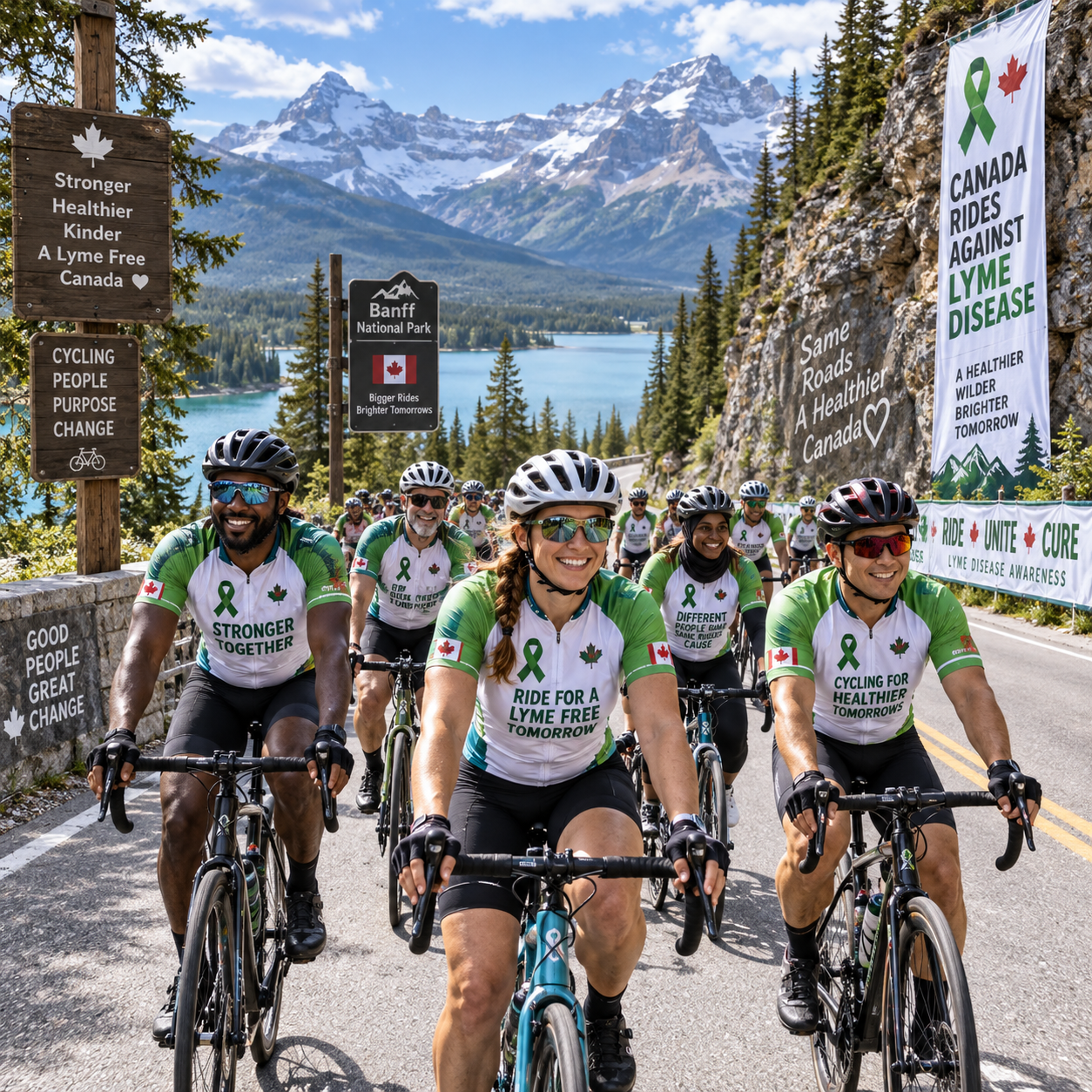
A long-distance charity cycling ride is a personal endurance challenge with a wider purpose. A thoughtful cycling training plan can help you arrive prepared, manage fatigue, and enjoy the shared experience while raising awareness and funds for Lyme disease support in Canada.
You do not need to train like a racer. Consistent riding, sensible progression, reliable equipment, and enough recovery usually matter more than speed. Use the guidance below as a flexible framework, adapting it to your event distance, current fitness, route, schedule, and healthcare needs.
Start With Your Ride Goal and Current Fitness
Begin by matching your training plan to the event distance and your current cycling experience. A realistic starting assessment helps you build endurance without comparing your progress with other riders.
Write down the distance of the charity cycling event, the date, and the amount of time available. Then consider your current baseline: how often you ride, the longest ride you have completed recently, how you feel afterward, and whether you are comfortable riding on hills or in changing weather.
A rider who already cycles several times a week may need a shorter preparation period than someone returning after years away. Beginners often benefit from several months of gradual training, while experienced recreational cyclists may need fewer weeks. The exact timeline depends on the gap between your current longest ride and the event distance.
Set a completion goal rather than a racing goal. For example, your target might be to finish comfortably, ride with a fundraising team, or complete the route while maintaining enough energy to enjoy the final kilometres. This approach keeps the focus on safe participation and sustained effort.
If you have a medical condition, take medication that affects exercise, or are returning after an injury, discuss your plans with a qualified healthcare professional. A cycling professional can also help identify handling or equipment concerns before they become training obstacles.
Build Distance Gradually
Increase cycling volume in manageable steps, include one longer ride, and protect easier days. Gradual progression gives your cardiovascular system, muscles, joints, and contact points time to adapt.
A useful weekly structure might include two or three rides:
- One long endurance ride: Ride at a conversational pace and slowly extend the duration.
- One shorter steady ride: Practise smooth pedalling and comfortable effort without chasing speed.
- One easy recovery ride: Keep resistance light, or replace it with rest if your body feels tired.
Increase only one major demand at a time. You might add 15 to 30 minutes to the long ride, introduce a modest hill, or add another easy ride, but doing all three in the same week can create unnecessary fatigue. Every third or fourth week, consider holding steady or reducing volume so your body can absorb the work.
For example, a beginner might start with a long ride of 60 to 90 minutes and add small amounts over several weeks. The appropriate increase depends on recovery, terrain, weather, and how easily you can complete the current distance. There is no prize for reaching the target distance early if the process leaves you injured.
Keep a simple training log with ride time, distance, perceived effort, sleep, and any discomfort. Trends are more useful than one difficult day. A demanding ride after poor sleep does not necessarily mean your plan has failed.
Add Variety to Your Cycling Training
Combine endurance rides, easy sessions, hills, and supportive strength or mobility work. Variety develops the ability to pedal for hours while reducing the monotony of repeating the same workout.
Most of your training should feel controlled. During an endurance ride, you should generally be able to speak in short sentences. Shorter sessions can include gentle hills or brief increases in resistance, but they should support your long-distance goal rather than turn every ride into a hard effort.
Use a simple effort framework
- Easy: Light breathing, relaxed legs, and enough energy for conversation.
- Steady: Purposeful effort that you can maintain without straining.
- Hard: Brief hill or resistance work used sparingly and followed by recovery.
Optional strength training can include bodyweight squats, step-ups, calf raises, glute exercises, and gentle core work. One or two short sessions each week may help support posture and sustained pedalling, especially when combined with mobility for the hips, chest, ankles, and upper back.
Choosing more variety means accepting a little more planning. If work, family, or fundraising commitments already fill your week, a dependable two-ride schedule is often more useful than an ambitious plan you cannot repeat. Consistency builds endurance; complexity is optional.
Practise Pacing, Nutrition, and Hydration
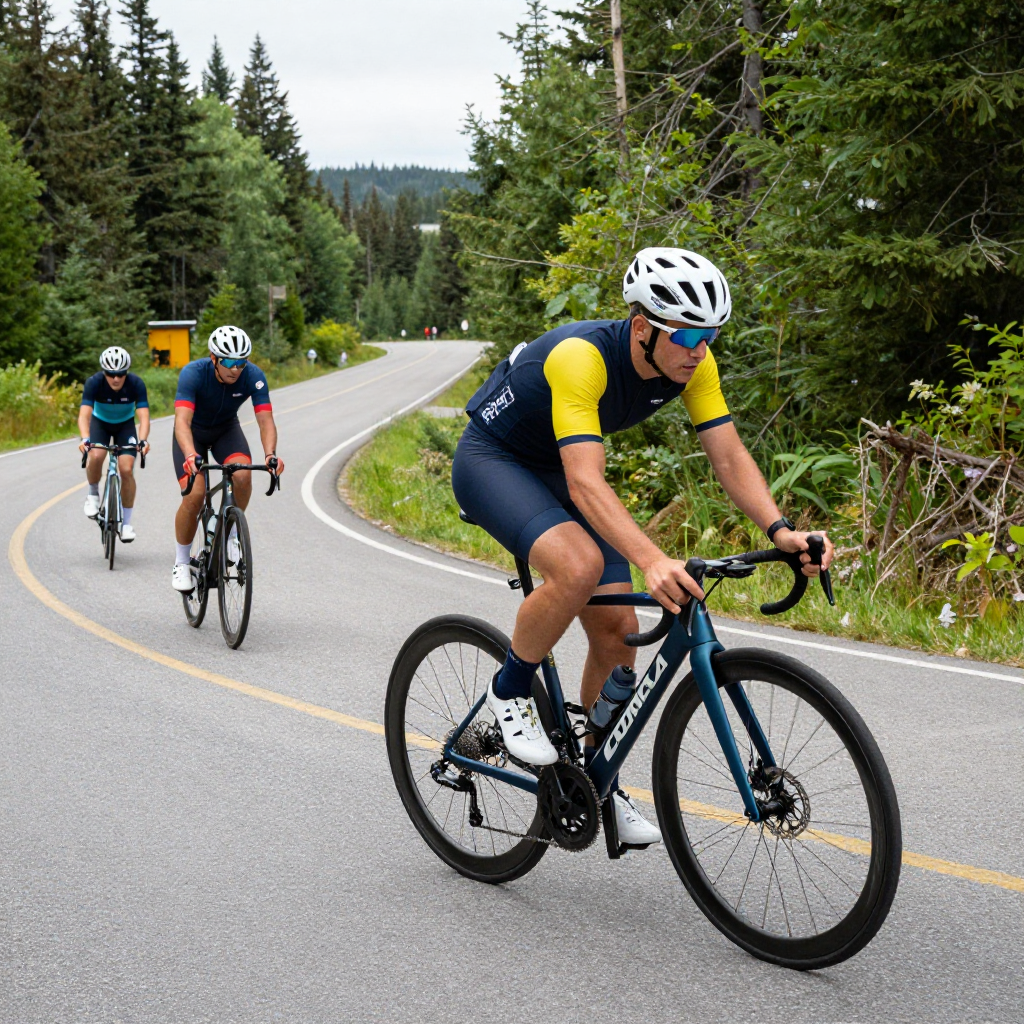
Start slower than your excitement suggests, drink regularly, and practise eating before you feel depleted. Pacing, hydration, and nutrition are skills to rehearse during training rather than improvise on event day.
The first part of a charity ride can feel easy because of enthusiasm and group energy. Resist the urge to follow the fastest riders. Use a controlled effort for the opening section, settle into a rhythm, and save energy for hills, wind, heat, and the final kilometres.
Test your event-day routine on rides lasting longer than about 90 minutes. Depending on your body, intensity, weather, and professional guidance, this may include carbohydrate-rich foods such as bananas, sandwiches, granola bars, or sports products. Small, regular amounts are often easier to tolerate than a large meal taken late.
Drink at regular intervals and adjust fluid intake for temperature, wind, sweat rate, and access to refill points. Water may be enough for shorter rides, while longer or hotter sessions may require electrolytes and additional carbohydrate. Avoid testing an unfamiliar drink, gel, or supplement for the first time on charity ride day.
A practical pre-ride routine could include a familiar meal, enough time for digestion, and a bottle or bottles prepared before leaving. Check the event instructions for aid stations, but do not assume every preferred food or drink will be available.
Seek professional advice if you have diabetes, gastrointestinal conditions, kidney or heart concerns, or another health issue that affects eating, drinking, or exercise. Hydration needs are individual, and excessive fluid intake can also be harmful.
Prepare Your Bike, Gear, and Body
Use a properly adjusted bike, tested clothing, and basic repair gear before the ride. Comfort problems often appear gradually, so early equipment checks can protect your training and your event experience.
A bike fit does not need to be elaborate to be useful. Saddle height, saddle position, handlebar reach, cleat alignment, and riding posture can influence pressure on the hands, neck, knees, hips, and lower back. If pain repeatedly appears in one area, ask a qualified bike fitter or cycling professional to assess the setup rather than making several large adjustments at once.
Test every item during training:
- Helmet that fits securely and meets applicable safety standards.
- Cycling shorts or comfortable clothing without irritating seams.
- Gloves to reduce hand pressure and vibration.
- Weather layers, including rain protection and sun protection.
- Water bottles, lights if needed, identification, phone, and emergency contact details.
- Spare tube, tyre levers, pump or inflator, multitool, and basic repair knowledge.
Change hand positions periodically, relax your grip, keep your shoulders low, and stand briefly on suitable climbs if safe. Adjusting posture can help, but persistent numbness, sharp pain, swelling, or altered movement requires attention rather than endurance.
Perform a mechanical check before longer rides: inspect tyre condition and pressure, test brakes, check the chain, and confirm that wheels and accessories are secure. A quick professional tune-up is worthwhile if the bike has been stored, recently repaired, or feels unstable.
Prioritize Recovery and Injury Prevention
Recovery days, sleep, gradual progression, and early responses to pain are central parts of injury prevention. Fitness develops while your body adapts between sessions, not only while you are pedalling.
Schedule at least one complete rest day each week, and add easy days after a particularly long or demanding ride. Sleep supports muscle repair, concentration, immune function, and safe bike handling. Gentle walking or mobility work may feel helpful, but recovery should not become another intense workout.
Use a simple traffic-light check before each session:
- Green: Normal energy and no concerning pain. Follow the planned ride.
- Yellow: Poor sleep, unusual heaviness, or mild soreness. Reduce duration or intensity.
- Red: Sharp pain, worsening symptoms, dizziness, chest pain, significant weakness, or unusual shortness of breath. Stop and seek appropriate medical advice.
One common mistake is treating every ache as a test of commitment. People often make this choice because they fear losing fitness, but continuing can turn a manageable irritation into weeks away from the bike. Another mistake is increasing distance and intensity together. Separate those changes and allow adaptation time.
Do not diagnose a persistent problem from an online checklist. A healthcare professional can assess pain, while a bike fitter or physiotherapist with cycling experience can help identify movement and equipment factors.
Combine Training With Your Fundraising Mission
Connect your training calendar with your Lyme disease fundraising plan so both goals remain manageable. A charity ride becomes easier to sustain when preparation, work, family commitments, and supporter communication share the same schedule.
Block your longest rides first, then place shorter sessions around them. If weekends are busy, use a shorter weekday ride and build duration gradually on the day with the most available time. Tell supporters about specific milestones, such as completing your first 50-kilometre training ride or learning to repair a puncture.
Fundraising updates can include practical stories: why you chose the event, what you are learning about endurance, and why Lyme disease awareness and support matter to you. Keep health information respectful and avoid making claims about diagnosis, treatment, or outcomes that you cannot verify. Direct readers to reliable Canadian health information, such as the Government of Canada Lyme disease resource.
Invite supporters to join an easy training ride, share your fundraising page, sponsor a distance milestone, or contribute encouragement rather than focusing only on performance. The shared mission can provide motivation on difficult days, but it should never pressure you to ignore pain or unsafe conditions.
On event day, success may mean completing the route, supporting your team, and helping fund Lyme disease awareness in Canada. Ride at a sustainable pace, accept help when needed, and remember that every prepared kilometre contributes to a larger community effort.
Frequently Asked Questions
How many weeks should I train for a long-distance charity cycling ride?
Many riders benefit from several months of preparation, especially when starting from a low fitness base or targeting a long route. The right timeframe depends on your current longest ride, event distance, terrain, health, and weekly availability. Build gradually rather than following a fixed schedule designed for someone else.
How often should I do a long training ride?
For many recreational riders, one longer ride each week works well, provided the body recovers between sessions. You can occasionally reduce the distance for a lighter week. The long ride should develop time in the saddle, not become a weekly competition.
What should I eat and drink during a long cycling session?
Practise regular fluids and familiar carbohydrate-rich foods during longer rides. The amount depends on duration, effort, weather, sweat rate, and individual tolerance. Test your routine during training, and seek individualized advice for medical or dietary conditions.
How can I prevent cycling pain or injury during training?
Progress gradually, check bike fit, use suitable clothing, vary hand and body position, warm up comfortably, and respect rest days. Persistent, sharp, or worsening pain deserves professional assessment rather than repeated attempts to ride through it.
What should I pack for charity ride day?
Pack your helmet, water bottles, tested food, weather layers, phone, identification, emergency contact details, any required medication, and basic puncture-repair tools. Add sunscreen, gloves, and money or payment options if the event does not provide every item. Review the organizer’s instructions before departure.