Cycling for a Cause: How Charity Rides Support Lyme Disease Research

A charity cycling event brings people together around a shared goal: turning personal effort into meaningful support for Lyme disease research and the communities affected by tick-borne illness. In Canada, riders, donors, families, businesses, and volunteers can all contribute, whether they complete the full route, join a team, sponsor a cyclist, or share the cause.
These events do more than collect donations. They create opportunities for public education, patient advocacy, community support, and conversations about the importance of research. The result is a practical form of collective action: many manageable contributions connected to one visible cause.
Why Lyme Disease Awareness and Research Matter
Lyme disease awareness and research matter because better public understanding can encourage prevention, informed conversations, and continued investment in answers for patients and healthcare communities. Charity rides help keep the subject visible while directing attention toward responsible education and research funding.
Lyme disease is a tick-borne illness, and awareness efforts can help people learn how to reduce tick exposure, recognize the importance of seeking appropriate medical advice, and understand why local health guidance matters. Educational messaging should remain accurate and balanced. A cycling event should never replace medical care or make promises about diagnosis or treatment.
Research funding supports work that may address important questions about Lyme disease, including prevention, detection, diagnosis, treatment approaches, disease patterns, and the experiences of people living with ongoing health concerns. Specific priorities depend on the researchers, institutions, and organizations receiving funds, so donors should review an event’s official information before contributing.
Awareness also has a human dimension. People affected by Lyme disease may need reliable resources, a listening community, and opportunities to share their experiences. When a Canadian cycling community rides with that purpose in mind, it helps create space for patient advocacy and respectful public dialogue.
How Charity Cycling Events Turn Miles Into Impact
Charity cycling events turn miles into impact through several connected revenue streams: registration fees, individual fundraising, team campaigns, sponsorships, and direct donations. Each stream can serve a different role in supporting the broader Lyme disease cause.
Registration fees may help cover event operations, depending on the organizer’s model. Individual fundraising pages allow riders to ask friends, family members, colleagues, and neighbours to support their participation. Team fundraising adds a social layer: one cyclist’s message can reach new audiences through teammates, workplace networks, and local clubs.
Businesses can contribute through sponsorship, matching gifts, in-kind support, or employee participation. A local bike shop might promote the ride, a company might match staff donations, and a community group might provide volunteers or refreshments. These contributions reduce the pressure on individual riders while expanding the event’s reach.
The most useful way to understand the financial model is to ask three questions:
- What does the registration fee cover? It may support route planning, safety, insurance, equipment, or administration.
- Are donations restricted or general? This affects how the organizer can use the funds.
- Which activities receive support? Potential areas include research, education, awareness, advocacy, and community resources.
Transparency builds trust. Before donating, read the event’s official fundraising and financial information so you understand where contributions may go.
Where Fundraising Can Make a Difference
Fundraising can make a difference by supporting Lyme disease research, public education, prevention awareness, patient resources, advocacy, and community support. The exact allocation varies by event and recipient, so responsible organizers should explain their priorities clearly.
Research initiatives
Research funding can help investigators pursue carefully designed projects related to Lyme disease and other tick-borne illness questions. Funding may support equipment, data collection, laboratory work, collaboration, or knowledge sharing. A donation cannot guarantee a particular discovery, but it can help maintain the research capacity needed for long-term progress.
Education and prevention awareness
Public education can encourage practical tick-bite prevention, such as learning about local tick risks, checking clothing and skin after outdoor activities, and following guidance from Canadian public health authorities. For general background on Lyme disease and prevention, readers can consult Health Canada’s Lyme disease information.
Patient resources and community support
Some fundraising efforts may help create educational materials, resource directories, peer-support initiatives, or community programs. These services can be valuable for families seeking clear information and for people who feel isolated by a complex health experience.
Advocacy and awareness
Patient advocacy can bring lived experience into public discussions about healthcare, research priorities, and access to reliable information. A charity ride gives that advocacy a visible, community-based platform without reducing individual experiences to a single story.
The Role of Cyclists, Teams, Donors, and Sponsors
Cyclists, teams, donors, and sponsors each contribute in different ways, and the event becomes stronger when those roles work together. Participation does not require elite fitness, a racing background, or a large personal network.
Riders are visible ambassadors for the cause. They can explain why they joined, invite donations, answer basic questions using trusted sources, and make the event welcoming for newcomers. Teams can divide responsibilities, create friendly fundraising challenges, and support members who need an accessible pace or shorter distance.
Donors provide the financial foundation. A small gift can matter when combined with many others, while recurring donors may offer support beyond a single event. Sponsors can provide money, services, equipment, promotion, transportation, or volunteer hours.
Volunteers also carry essential responsibilities before and during the ride. They may help with registration, route guidance, rest stops, safety communication, photography, accessibility, and participant support. Afterward, they can help share results and keep the public informed about future opportunities.
How to Participate in a Lyme Disease Charity Ride
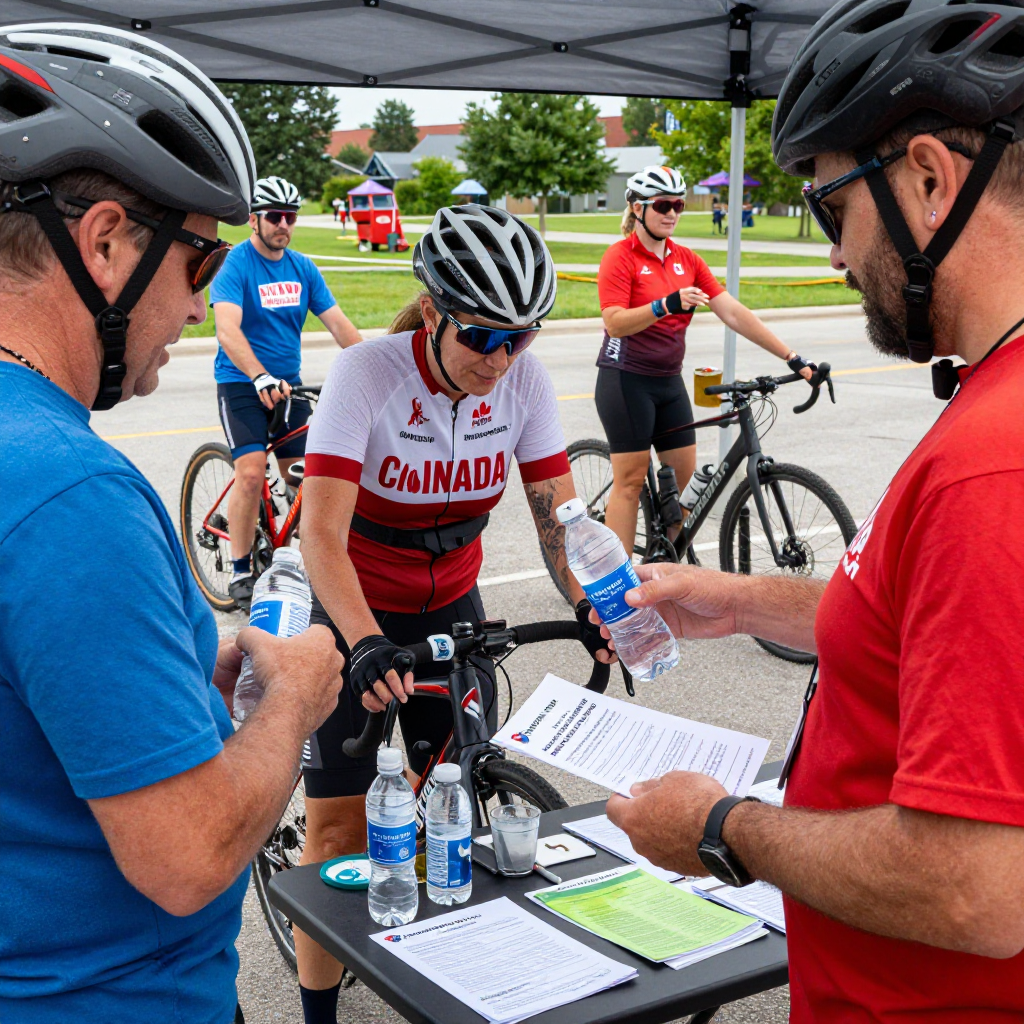
To participate in a Lyme disease charity ride, choose an event, register, create a fundraising page, invite support, prepare safely, and follow the organizer’s route and event guidance. Start early enough to build a realistic campaign rather than relying on last-minute requests.
- Review the official event details. Check the date, route length, registration fee, age requirements, accessibility information, safety policies, and fundraising expectations.
- Register as an individual or team. A team can provide motivation and broaden your network, while riding independently may suit a personal campaign.
- Set a practical fundraising goal. Choose an amount based on your network, available time, and the event’s guidance. A clear target gives supporters something concrete to rally around.
- Write a personal campaign message. Explain why Lyme disease research and awareness matter to you. Keep health information private unless you have permission to share it.
- Prepare for the route. Train gradually, check your bicycle, carry water and required supplies, and follow the organizer’s advice about helmets, weather, traffic, and emergency procedures.
- Invite participation in different forms. Someone who cannot ride may donate, volunteer, share your page, or introduce you to a potential sponsor.
Accessibility deserves attention. Ask organizers about route alternatives, rest stops, adaptive participation, virtual options, or volunteer roles. A cause-driven event should make room for different bodies, abilities, schedules, and comfort levels.
Ways to Maximize Your Fundraising Impact
To maximize fundraising impact, combine a specific story with direct outreach, workplace involvement, social media, matching gifts, and thoughtful donor follow-up. Personal communication usually gives people a clearer reason to act than a generic event announcement.
- Begin with close contacts. Send a short personal message to family, friends, and colleagues before posting publicly.
- Explain the purpose clearly. Connect your ride to Lyme disease research, tick-borne illness awareness, patient advocacy, or community support.
- Use a simple story. Share why you are riding, what you hope to help advance, and how people can contribute. Avoid medical claims or promises.
- Ask employers about matching gifts. Many workplaces have donation-matching or community sponsorship programs, though eligibility and deadlines vary.
- Invite workplace teams. A lunch presentation, internal newsletter, or shared fundraising challenge can turn one rider into a broader campaign.
- Post progress updates. Mention training milestones, fundraising targets, event information, and practical awareness resources without overwhelming followers.
- Thank donors promptly. A personal note, public thank-you with permission, or post-event update helps close the loop.
Avoid two common mistakes: sending only one request and treating every audience the same. A family member may respond to a personal message, while a business may need a sponsorship document explaining visibility, timing, and contribution options.
Building Long-Term Support Beyond Event Day
Long-term support continues through tick-bite prevention education, advocacy, volunteering, donations, and participation in future events. One ride can start a relationship, but sustained attention helps keep Lyme disease research and patient needs on the public agenda.
After the event, share a thank-you message and report what you learned from the organizer’s official update. If fundraising results or allocations are published, pass that information to donors. Transparency turns a one-time contribution into an informed connection with the cause.
You can also support responsible awareness throughout the year by sharing evidence-based public health information, encouraging outdoor safety habits, volunteering with appropriate community initiatives, or contributing when research and patient-support campaigns open.
For those unable to cycle, meaningful options remain: donate directly, sponsor a rider, form a workplace team, volunteer at a rest stop, provide professional services, or promote the event through local networks. The Canadian cycling community is strongest when participation is measured by commitment rather than speed.
Frequently Asked Questions
How do charity bike rides support Lyme disease research?
Charity bike rides raise money through registration, donations, fundraising pages, sponsorships, and matching gifts. Depending on the event’s stated model, funds may support research initiatives alongside education, awareness, advocacy, or community resources.
How can I participate in a Canadian Lyme disease fundraising ride?
Find an event’s official registration page, review its route and requirements, register individually or with a team, create a fundraising page, and invite donations or volunteer support.
What are effective ways to fundraise for a charity cycling event?
Personal outreach, clear storytelling, workplace campaigns, social media updates, matching gifts, team challenges, and prompt donor thanks are effective approaches. Start early and make the donation request specific.
Can businesses or cycling teams sponsor a Lyme disease ride?
Yes. Businesses and cycling teams can ask the organizer about financial sponsorship, matching donations, in-kind contributions, employee participation, route support, promotion, or volunteer opportunities.
How can I support the cause if I cannot participate in the ride?
You can donate, sponsor a cyclist, share the event, volunteer, organize a workplace fundraiser, or help distribute accurate Lyme disease awareness information. Every form of support can strengthen the event’s reach.
Ready to help? Register for a Lyme disease charity cycling event, create a fundraising page, sponsor a rider, volunteer, or share the cause with your community. Every kilometre and every contribution can help sustain research, awareness, patient advocacy, and community support.